Centralised or Decentralised Exchange?
The difference comes down to who holds the assets and who you can hold accountable. This guide covers how the two models work, how their risks differ, and what you should check before using either of them.
BYLINE · ORGANISATION
An organisational byline used when no individual editor's name has been supplied by the publisher. The text is reviewed according to the publication's methodology and every factual claim is linked to a stated source with a check date.
Editorial byline (organisational)
The publisher has not provided a personal editorial identity. We therefore use an open organisational byline rather than inventing a person.

The difference comes down to who holds the assets and who you can hold accountable. This guide covers how the two models work, how their risks differ, and what you should check before using either of them.

Scams follow a handful of patterns that recur year after year. This guide describes the most common setups, the concrete warning signs, and what you can do if you have already been affected.

The European supervisory authorities have issued a joint warning that many crypto-assets are high-risk products and that consumers often lack the protection that applies to regulated financial services. Here is how the warning should be read – without exaggeration.

A blockchain is a shared ledger where transactions are grouped into blocks and chained together cryptographically. Here we explain the mechanics step by step, what decentralisation actually means, and where the technology's limits lie.

The EU's Markets in Crypto-Assets Regulation, MiCA, sets common requirements for issuers and providers of crypto-asset services. Here is what the framework covers, which parts began applying during 2024, and why you should always verify a firm's current licence with Finansinspektionen (the Swedish FSA).

Before using a service, you should be able to answer who runs it, where it is supervised, and whether the licence it claims actually exists. Here is a practical checklist built on regulatory sources.

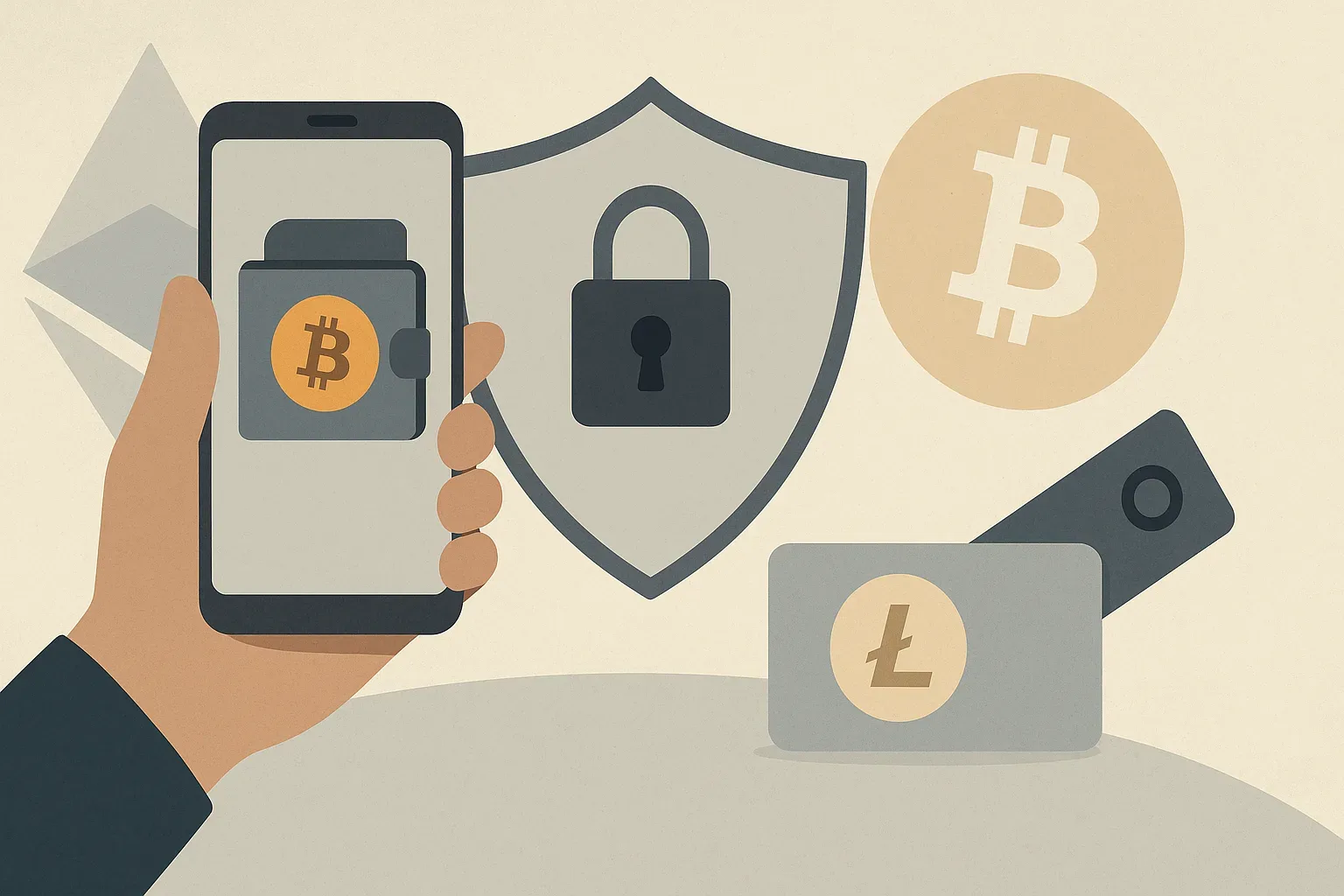
Your wallet does not store coins – it stores keys. Here we explain the difference between a private and a public key, what a seed phrase is, how the storage options differ, and the most common mistakes.

Products described as stable or yield-bearing often carry risks that don't show up in the marketing. This guide covers what actually determines value, where counterparty risk sits, and what questions you should ask.

A crypto-asset is a digital representation of value or rights that can be transferred and stored electronically. Here we explain the concept, the most common categories, and why the definition matters for which rules apply.

Selling, exchanging or paying with cryptocurrency can trigger a taxable event in Sweden. Here are the categories at a general level – and why you should always rely on Skatteverket's (the Swedish Tax Agency) current guidance for your own situation.