How to Verify a Crypto Service's Licence and Identity
Verify the company's identity against the regulator's register – not against the company's own website.
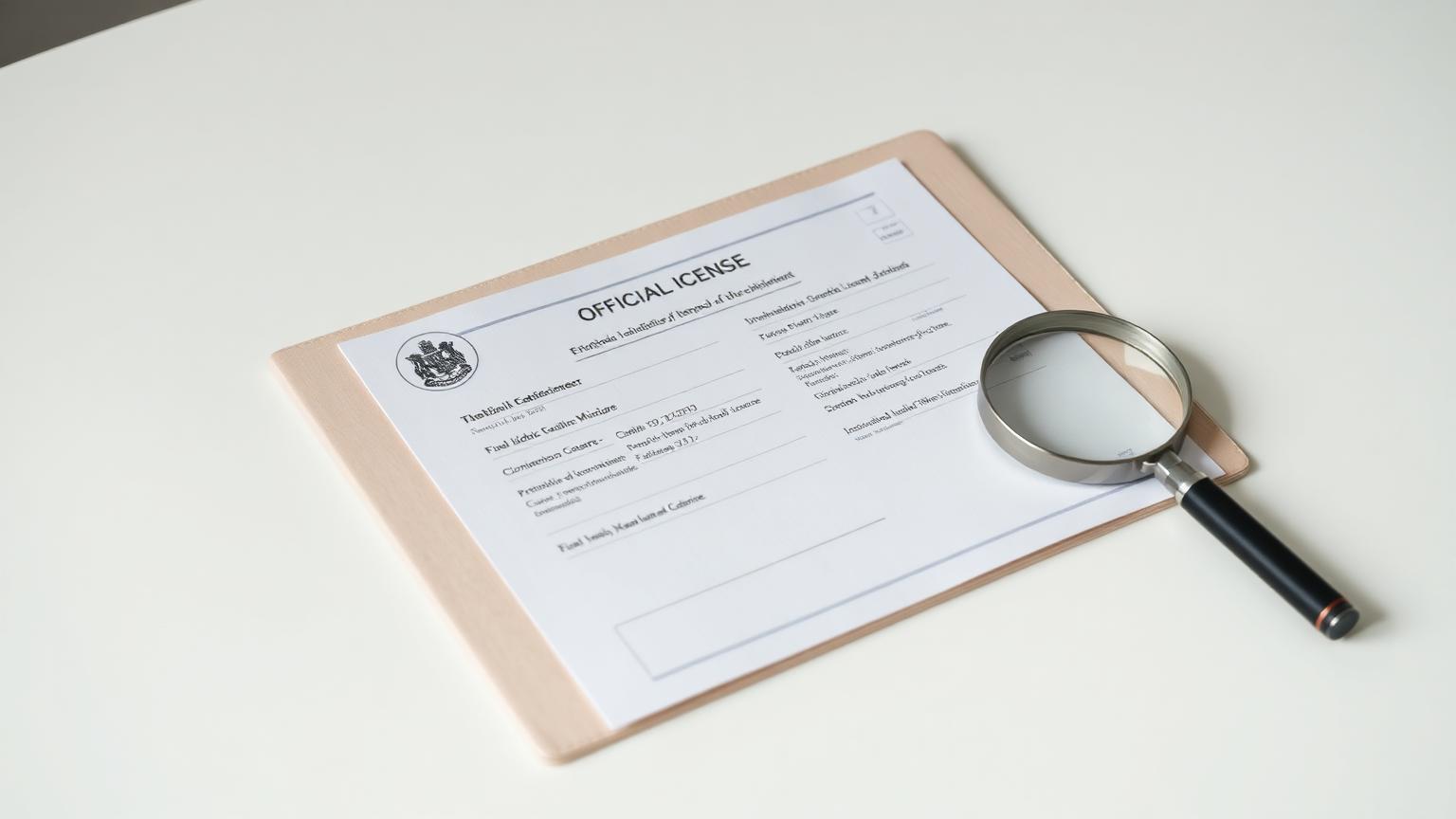
The most common flaw in consumers' checks is that they are carried out in the wrong place: the information is taken from the service's own website instead of from the authority that would have issued the licence. Reverse that order.
Step 1: establish who the counterparty is
Find the full legal name, registration number and registered office in the terms of service or on the company's about page. If you cannot find a legal entity at all, that alone is sufficient reason to walk away.
Step 2: verify the licence with the regulator
Search for the legal name in the supervisory authority's register in the jurisdiction the company claims. For Swedish conditions, start with Finansinspektionen's information on crypto-assets and MiCA. Check that the name matches exactly – clone firms often use a name that closely resembles an authorised provider's.
Step 3: check what the licence actually covers
A licence is limited to certain services. A company appearing in a register does not mean every product it markets is covered. Read what the registration actually pertains to and in which country it applies.
Step 4: document the check
- Save the date of the check and a link to the register entry.
- Note which details matched and which you were unable to verify.
- Repeat the check before increasing your exposure – registers are updated over time.
03 · SCOPE
This content does not cover
- Assessment of whether a specific company is appropriate to use.
- Conducting the check on your behalf in an individual case.
- Legal interpretation of the scope of a licence.
04 · SOURCE REGISTER
Sources and check dates
05 · CORRECTIONS AND UPDATES
Correction and update history
No corrections or material updates have been made since publication. Corrections are logged here and in the corrections log.
06 · RELATED NODES
Read on
Centralised or Decentralised Exchange?
The difference comes down to who holds the assets and who you can hold accountable. This guide covers how the two models work, how their risks differ, and what you should check before using either of them.
Go4rex (go4rex.com): qué se puede verificar y qué no
Reseña en español de Go4rex (go4rex.com) según nuestra metodología: identidad de la entidad, jurisdicción, verificación de licencia y trazabilidad de cada afirmación. Sin puntuación, porque la base de evidencia está incompleta.
Raxon 24 (raxon24.com): Was überprüfbar ist – und was nicht
Deutschsprachige Prüfung von Raxon 24 (raxon24.com) nach unserer Methodik: Identität des Betreibers, Rechtsraum, Lizenzabgleich in offiziellen Registern und Nachweis für jede Aussage. Ohne Bewertung, weil die Beweislage unvollständig ist.